Dance heritage
A couple of years ago STUK, House for Dance, Image & Sound, started a dance heritage programme. Discover all about this working below.
Dance is the most fleeting of all art forms: after the performance, all that remains for the audience are memories or material traces such as film recordings or reviews. Not the dance itself. For dancers, a performance lives on as embodied knowledge. So how do you pass on dance to new generations of audiences and dance makers? STUK's work on intangible dance heritage starts from that question. A center of expertise and the Body of Work festival offer an answer. Coordinator Delphine Hesters explains:
‘Intangible heritage of contemporary dance,’ what can
we expect?
DELPHINE Over the past year, the most common reaction I’ve encountered is, ‘So, you are establishing a dance archive?’
The response to that question is ‘no.’ Archives typically
house tangible materials: notebooks, video recordings of rehearsals, reviews, technical plans ... Our focus lies
within the essence of dance itself, the intangible aspects.
We delve into performances, but extend beyond them,
exploring everything encompassing the practice of dance:
the craft, the tools, and the diverse ‘dance knowledge’
possessed by choreographers, dancers, performers, and
dance educators. What does it take to be able to pass on
this specific knowledge time and time again?
In practical terms, what’s in store at STUK?
DELPHINE Our efforts in preserving dance heritage unfold in two tracks. Firstly, there is Body of Work, the new annual dance heritage festival.In even-numbered years, we centre the festival around a theme. In odd-numbered years, it revolves around a ‘classic’ contemporary dance performance that has ingrained itself into our cultural fabric. For instance, the 2025 edition will kick off with Fase, Four Movements to the Music of Steve Reich by Anne Teresa De Keersmaeker / Rosas, followed by What the Body Does Not Remember by Wim Vandekeybus / Ultima Vez in 2027. These performances catapulted the choreographers onto the global dance scene in the 1980s. Our goal is to actively transmit this older work to new audiences, showcasing how performances of yesterday can continually inspire contemporary dance. To realise this vision, we collaborate with local partners such as 30CC, fABULEUS, Dansvloer, SLAC, Straatrijk, and KU Leuven.
The second track of our dance heritage work may be less visible to the public eye, yet it’s equally vital. We’re developing a centre of expertise dedicated to the immaterial heritage of contemporary dance – a place where practice and research intertwine. How does one preserve the knowledge embedded within dancers’ bodies and movements? In what ways can technology be used to pass on that knowledge? How do we ensure that dance archives represent more diverse artists? This is a long-term task and a collaboration with many parties working nationally and internationally on the transmission of dance: the dance sector, but also dance education, academic research and the heritage field.
STUK's DNA is that of an arts center with a strong focus on new and young work. So why this new focus on heritage?
DELPHINE Because it’s needed. The contemporary dance made in our regions is rich and diverse but because of its strong reputation, we sometimes forget how fragile it is. Without proactive efforts to capture and preserve this wealth of creativity and expertise, it risks rapid and irreversible loss. What happens when creators quit or dance companies cease to exist? That question is very visible today, as the generation that has caused a furore since the 1980s approaches the end of their careers. It gives a sense of urgency, a call to action. Not just for that generation, of course, but for dance in general.
However, the notion of ‘art versus heritage’ is fundamentally flawed. Heritage transcends mere preservation or the
tidy storage of antiquities. It is about being able to pass on
and thus keeping art alive. Heritage is as much about the
present and the future as it is about the past.
The Dance heritage projects

Re:wind - Expanding Documentation
An international symposium about alternative ways of documenting and (an)archiving of dance.
More info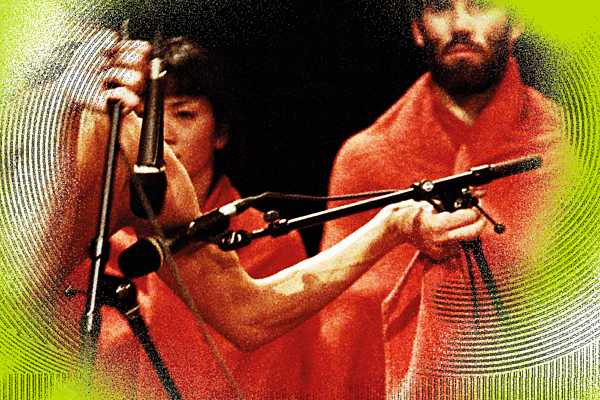
Body of Work podcast: doing dance heritage
A podcast about the joy and the challenges of repertory work – from the dancers' perspective.
More info
DANSSTROOM: Amateur dancers dive into repertoire
Non-profession dancers dive into dance repertoire with the help of an experienced coach
Book launch Alain Platel
At the threshold of his seventies, Alain Platel looks back on his own career and the developments in the performing arts.
More info

Symposium Choreographic Legacies: Sustaining and Reviving Dance Repertoire
How do you keep dance repertoire alive? An impressive list of colleagues joins the discussion
More info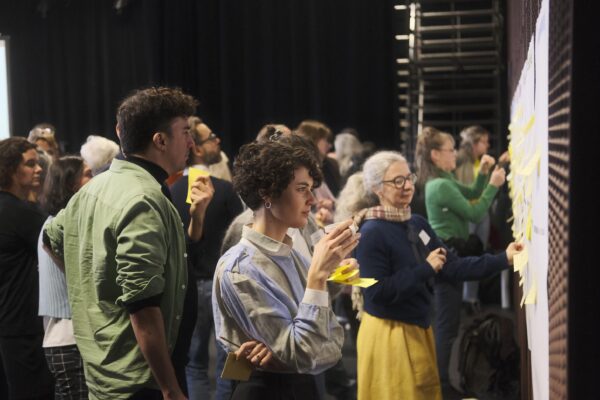
Work & inspiration session: a centre of expertise for immaterial heritage of contemporary dance
Partners in dance, heritage, policy makers and colleagues think about dance heritage.
More info
Etcetera. Launch of issue #179 devoted to dance heritage
The live launch of Etcetera's new issue dedicated to dance heritage
More info
Symposium Dancing diaspora: Opening up European Contemporary Dance (discourses)
Symposium on the alleged neutrality and inclusivity of the European contemporary dance scene.
More info